Shenzhen added more than 1,000 first locations, flagship stores and new-concept stores in 2026, according to figures from the city’s commerce bureau reported on November 27. Of those openings, 135 were brands’ first locations in China or in the region. The figures cover the year to date, including the months before Shenzhen introduced incentives for store openings and product launches in August.
The August measures offer up to 3 million yuan for qualifying stores that are a brand’s first worldwide, in China or in Shenzhen. Shopping complex operators can qualify separately for up to 2 million yuan a year if they attract a leading brand’s first store worldwide or in China and meet the city’s criteria. The measures follow a call in China’s 15th Five-Year Plan for expanding consumption for local governments to encourage commercial debuts in ways suited to their economies.
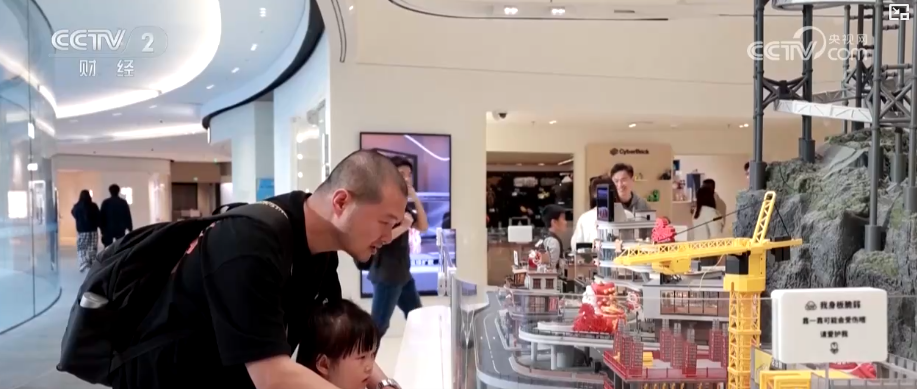
Retail accounted for 47% of the openings in the commerce bureau’s figures, food and beverage outlets for about 43%, and other experience-based services for 10%. Some shops combine those functions. At the INNO100 innovation flagship in Shenzhen’s Nanshan district, for example, visitors can use laser engraving and 3D printing equipment to customize items or try out robotics products.
INNO100 founder Zhang Wenhan said the store received 5,000 to 6,000 visits a day, with visitors staying an average of 74 minutes. He put monthly sales at nearly 6 million yuan and said the store replaced more than 30% of its product range each quarter.
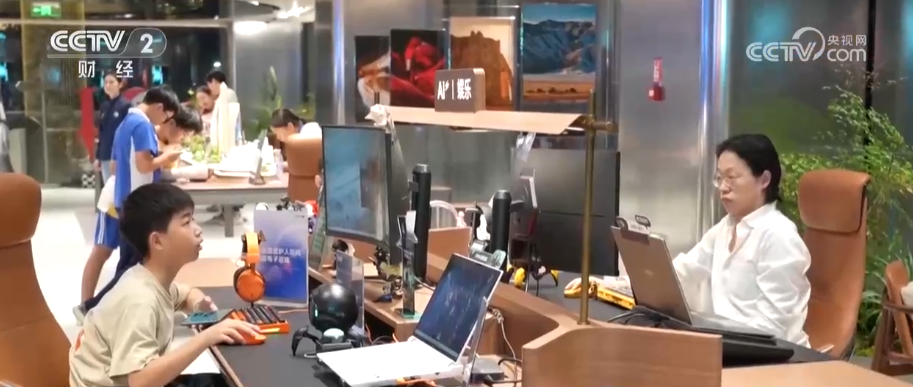
Shenzhen’s measures also offer subsidies of up to 1 million yuan for qualifying launch events, with a focus on vehicles, digital electronics and AI hardware. The city set a goal of developing 50 best-selling products and said it would give priority when recommending new fashion, technology, consumer electronics and high-end manufacturing products to those that debut in Shenzhen.
At one AI device flagship store, customers can have an old device tested, trade it in and leave with a replacement the same day, a service supported by suppliers in and around Shenzhen. Song Ding, a researcher at the China Development Institute in Shenzhen, said the city’s links between research, manufacturing and retail, alongside its support for emerging industries, help local businesses bring their own products to market rather than relying solely on brands from elsewhere.