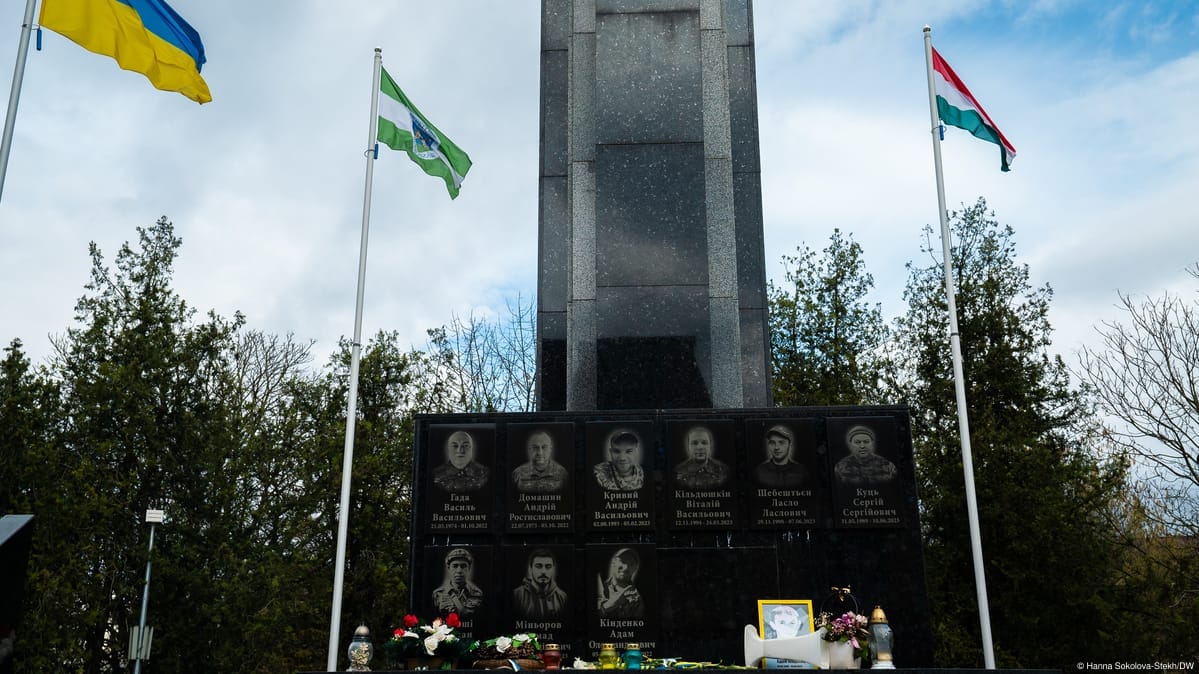
Hungarian Prime Minister Peter Magyar began his first visit to Ukraine as prime minister on November 24, 2026, by laying flowers alongside President Volodymyr Zelenskyy at a military cemetery in Uzhhorod. The two leaders later agreed to pursue closer economic ties, though they signed no formal agreements.
Uzhhorod is the capital of Transcarpathia, a region in western Ukraine home to about 80,000 members of the country’s Hungarian minority. An ethnic Hungarian soldier who was among the first killed in Russia’s full-scale invasion is buried at the cemetery.
“I bring with me the solidarity of the Hungarian people. We stand with Ukraine against the Russian aggressor,” Magyar said before the ceremony. Zelenskyy thanked him on X for the “gesture of respect toward those who sacrificed their lives for Ukraine’s independence.”
Energy and transport on the agenda
The leaders discussed Hungarian diesel supplies to Ukraine and greater use of Ukrainian gas storage facilities by Hungarian companies. They also discussed opening new border crossings and establishing a direct rail link between Budapest and Kyiv.
A Hungarian diplomat who spoke to DW on condition of anonymity said Hungary wants to participate in Ukraine’s reconstruction. The diplomat said personal meetings between the leaders could help rebuild trust after years of hostility under Magyar’s predecessor, Viktor Orban, whose government repeatedly obstructed EU support for Ukraine.
Magyar promised to improve relations before taking office in May 2026, but he continues to oppose both Hungarian arms deliveries to Ukraine and the transit of weapons across Hungarian territory. In a November 2026 poll by the think tank Globsec, 33% of Hungarians supported their country providing military aid to Ukraine.
Minority rights and EU accession
Hungary set out its demands for stronger minority protections in a 10-point plan in June. Magyar had temporarily blocked progress in Ukraine’s EU accession negotiations over the issue. In early October, Ukraine’s parliament passed a law on minority language rights. Hungary subsequently dropped its objection to opening negotiating clusters in the accession talks.
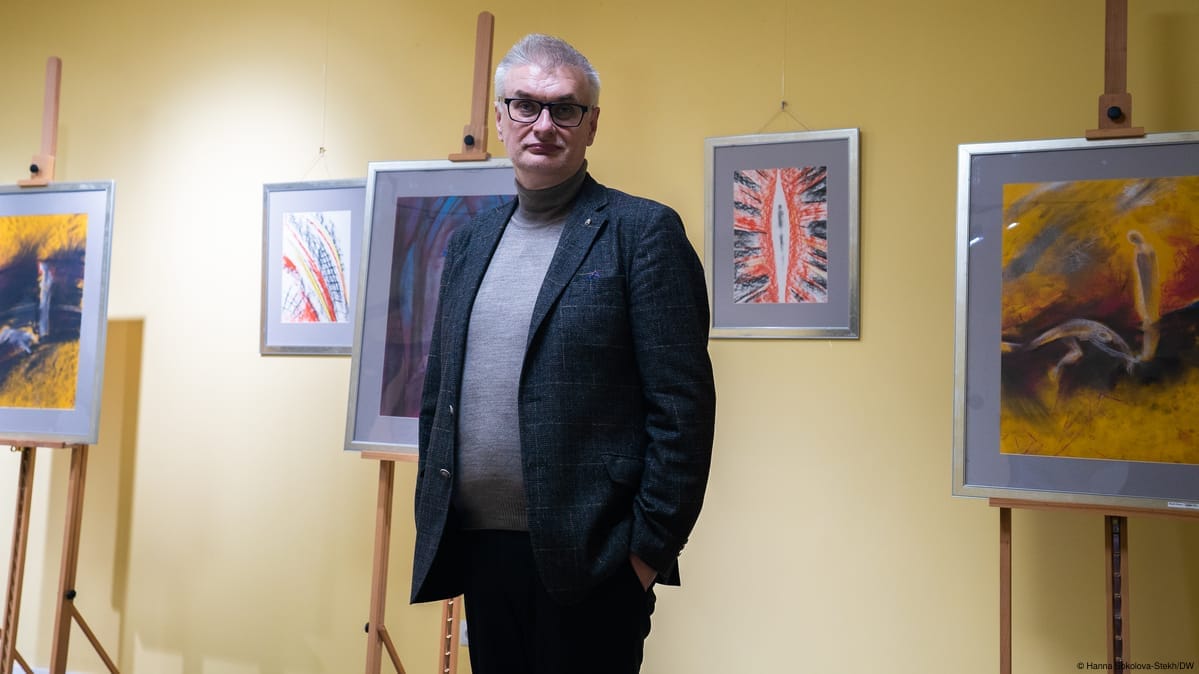
Laszlo Zubanics, chairman of the Hungarian Democratic Federation in Ukraine, told DW he expected practical improvements in minority protections “within just a few months,” rather than by the end of 2027. That was his assessment, not a timetable agreed at the meeting.
It was Magyar who invited Zelenskyy to meet in Transcarpathia. Olena Halushka, a Ukrainian political scientist at the International Centre for Ukrainian Victory, saw that choice as a gesture toward Hungarians at home. “Magyar has taken over a deeply polarized country,” she told DW’s Ukrainian Service. “A visit to Transcarpathia is more of a step for the Hungarian population than for Ukraine.”