China’s stroke centers covered 1,502 county-level areas by October 2026, more than 80% of the national total. The figures were reported as the China Stroke Conference convened in Beijing on November 28.
About 2.2 million people in China develop a disability after a stroke each year. In 2021, the National Health Commission and 10 other departments launched a program to reduce that toll by establishing stroke centers in hospitals rated secondary or above.
Local health authorities have linked ambulance and hospital care so that patients who need emergency stroke treatment can receive it before paying. They have also shifted more responsibility for stroke prevention and treatment from tertiary hospitals in cities to county hospitals. Township health centers with the necessary capacity receive support to offer intravenous thrombolysis, which uses medication to dissolve a clot, and thrombectomy, a procedure to remove it. All county-level areas with at least 300,000 residents can now provide intravenous thrombolysis.
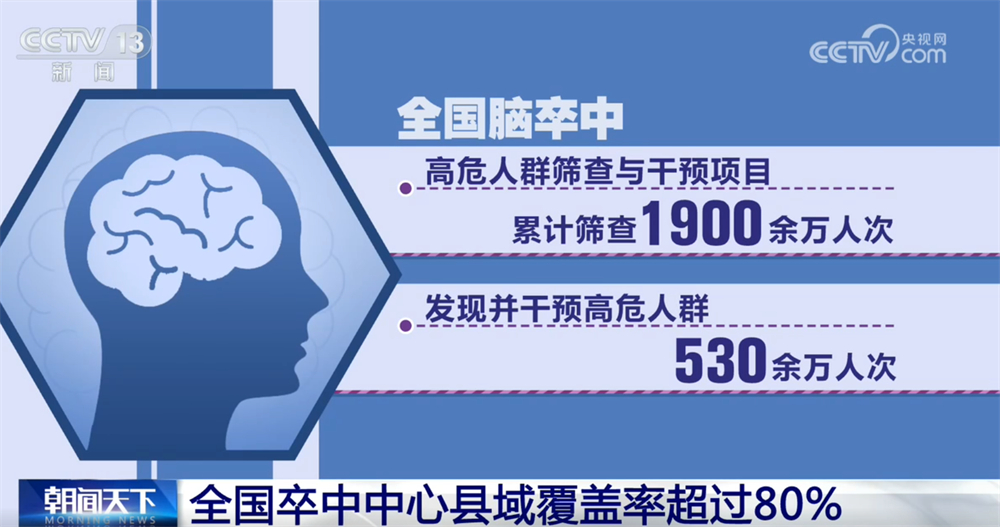
A national screening and intervention project has recorded more than 19 million screenings. On more than 5.3 million occasions, the project identified someone at high risk and provided an intervention. Those figures count visits rather than unique individuals. About 4.164 million people have entered active intervention and ongoing care.
Ji Xunming, chair of the National Health Commission’s expert committee for the disability-reduction program, said the aim was to prevent new disabilities by reaching people aged 30 and older with preventive care and making treatment available closer to home. He called for continuity across screening, prevention, treatment, ongoing management and rehabilitation.
For the 15th Five-Year Plan period, China plans to expand stroke-center coverage and improve the standard of county-level care. Ji said the 2030 targets include ensuring that at least 65% of residents aged 30 and older who have high blood pressure know they have it, and extending intravenous thrombolysis services to all county-level areas. The program also aims to reduce the in-hospital stroke death rate by at least 20% from its 2025 level, establish at least 100 pilot districts or counties for stroke prevention and disability reduction, and prevent at least 1 million new cases of disability.